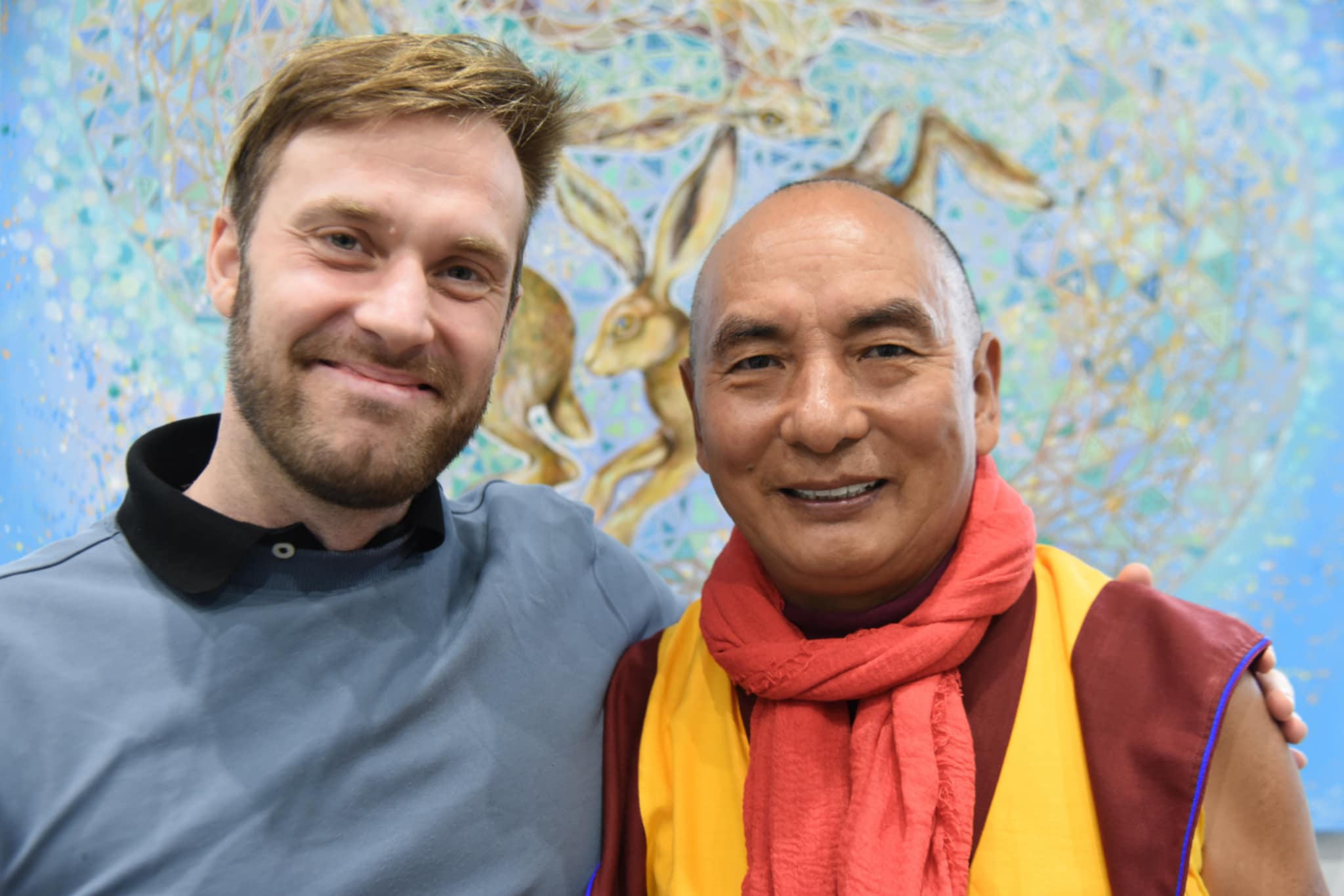
After the pūjā with Geshe Lobsang Soepa, peace researcher Josef Mühlbauer conducted an interview with the Geshe [highest title to monks] on the topic of peace.
But first let me say few words on pūjā. In Tibetan Buddhism (as well as in Hinduism), a pūjā is a ritual act of offering, prayer, and devotion. It can include chanting, making offerings such as water, incense, flowers, or food, and reciting prayers or mantras. The purpose is to honor enlightened beings, accumulate merit, remove obstacles, and generate positive energy for oneself and others. In the Tibetan context, pūjās are often performed by monks or practitioners for healing, protection, or blessings. Here Geshe Lobsang Soepa did a pūjā in the beautiful Art Gallery Bella Volen.
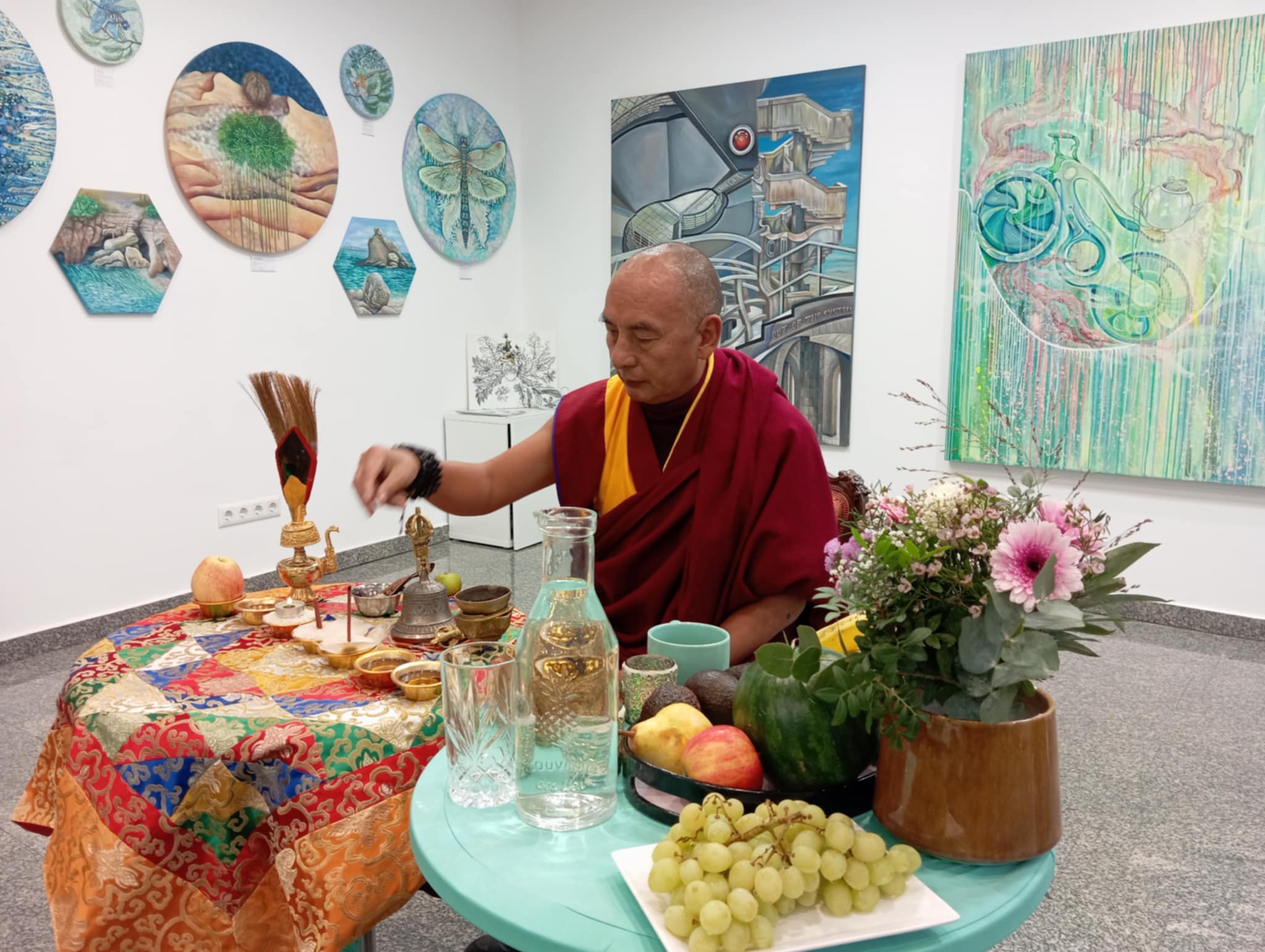
The Tibetan monk – Geshe Lobsang Soepa, who went to visit many world leaders like for example Volodymyr Zelensky, explained in the interview with peace researcher Josef Mühlbauer that human beings are fundamentally interconnected and therefore inherently social. We must live, eat, drink, and walk together; otherwise, we remain isolated. He emphasized that, in order to achieve peace, we must address the root causes of conflict. Just as in medicine it would be misguided to treat only the symptoms rather than the underlying disease, so too in conflict resolution we must look beyond surface manifestations. He further remarked that humanity constitutes a single family, and our common home is the world. From this perspective, borders and nationalism can be understood as obstacles to uniting the human family. He stressed that our attention should be directed toward what is within our power to change. War and conflict are human-made social problems; therefore, they can be transformed. There is, he concluded, no such thing as a God-given or God-justified war.
The monk also created a sand mandala in Vienna, and of course I was curious about what we can learn from this practice in peace studies?
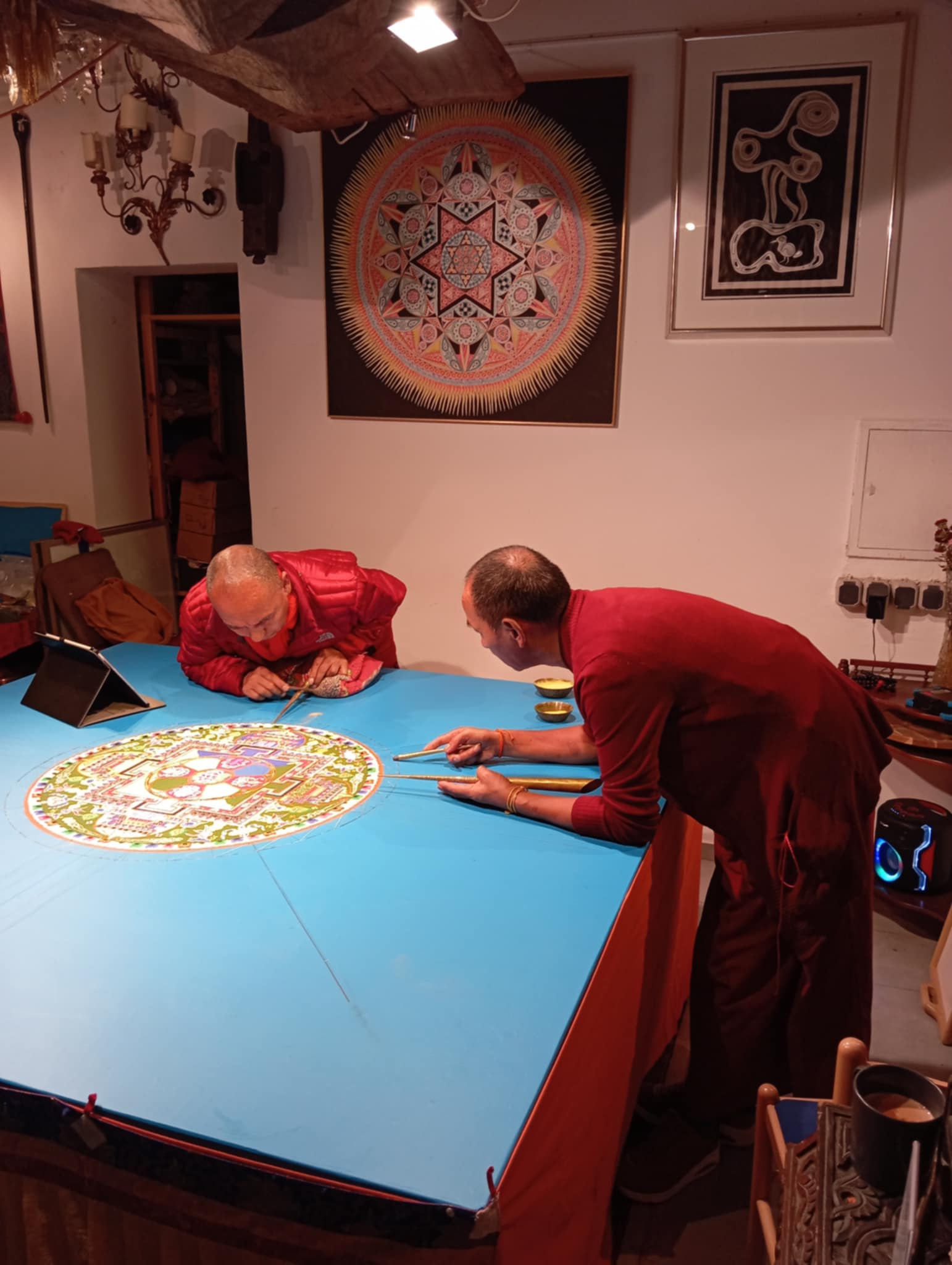
A sand mandala (from Sanskrit maṇḍala, “circle”) is an intricate geometric design made with colored sand, often depicting the dwelling place of a Buddhist deity or a cosmological map of the universe. Monks create it as a spiritual practice, not as “art” in the Western sense. The process is often accompanied by prayers, chanting, and meditation. The act of creating and dissolving the mandala is meant to generate compassion, healing, and balance, both for the participants and for the wider community. Sand Mandalas help students and practitioners reflect on how conflicts, like mandalas, are impermanent and subject to transformation. They highlight the process over the outcome. Peace building is not only about the final agreement but about the process of dialogue, trust-building, and patience. It can be seen as a metaphor in the sense that peace is often fragile and can be easily disrupted like the sand grains in the Sand Manadala. Just like the sand, peace requires careful arrangement. And the Sand Manadala is like the monk said in the interview with Peace Researcher Josef Mühlbauer, it is a symbol of geometry that symbolizes the interconnectedness of all beings. This is an insight that is crucial to understand systemic, epistemic and structural violence.

Geshe Lobsang Soepa is a Tibetan Buddhist monk, teacher and master of ritual arts. Born in the U-Tsang province of Tibet (near Lhasa); his birth name was Norsang. The name Lobsang Soepa was given by the 14th Dalai Lama. After facing political pressure and imprisonment under Chinese authorities for refusing to renounce monastic life, he escaped to India.
Josef Mühlbauer (born 1987) is an Austrian political scientist, peace researcher, journalist, and author. He works as a university assistant at the University of Graz, particularly in the field of Global Governance and Peace & Conflict Studies. His research interests include socio-ecological transformation, political theory, international relations, political education, and critical approaches to peace (e.g. critical peace studies).
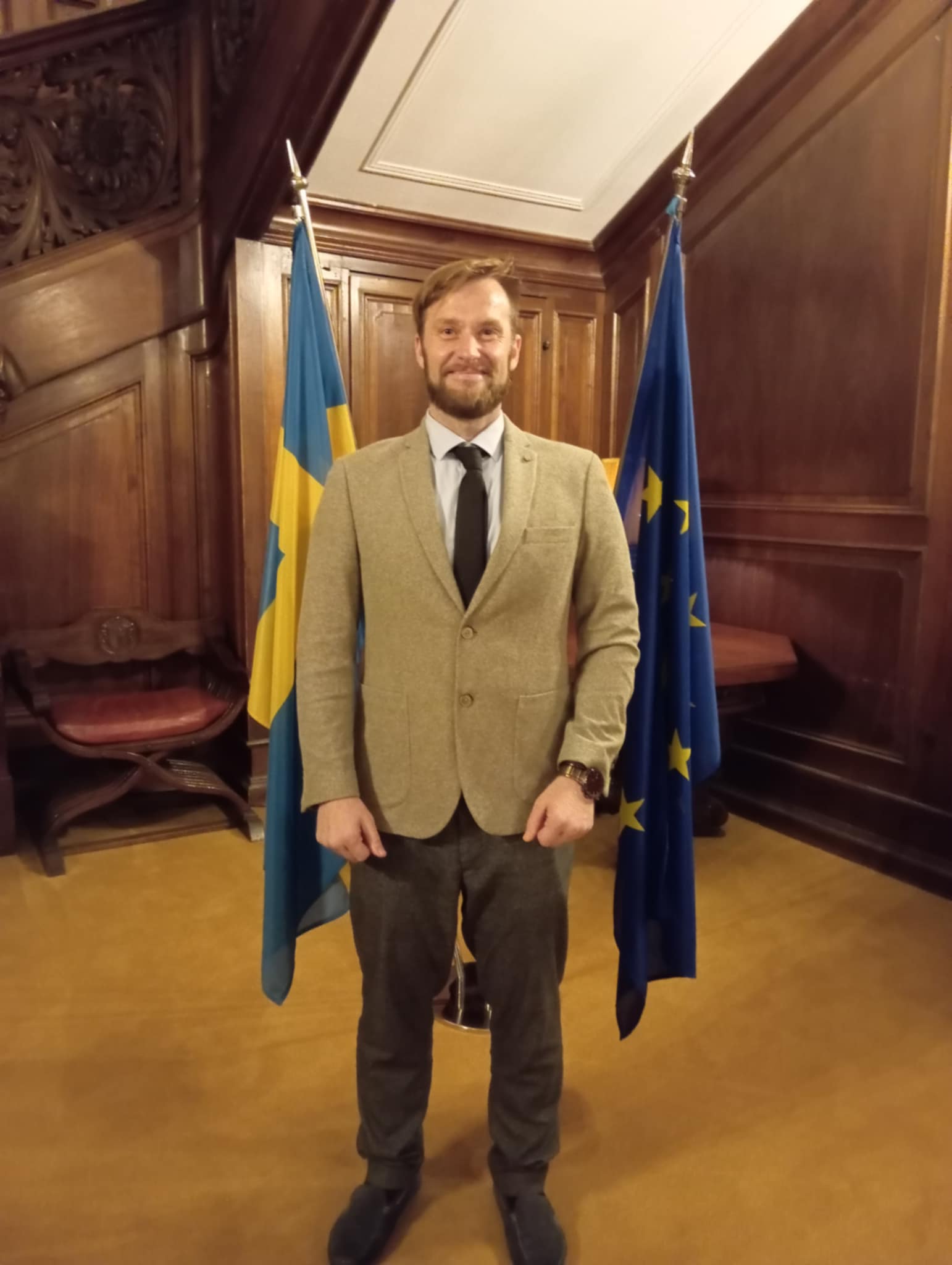


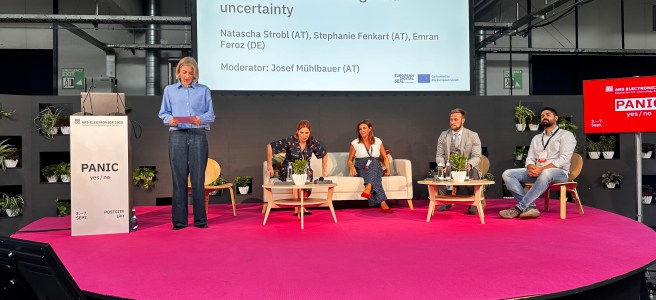
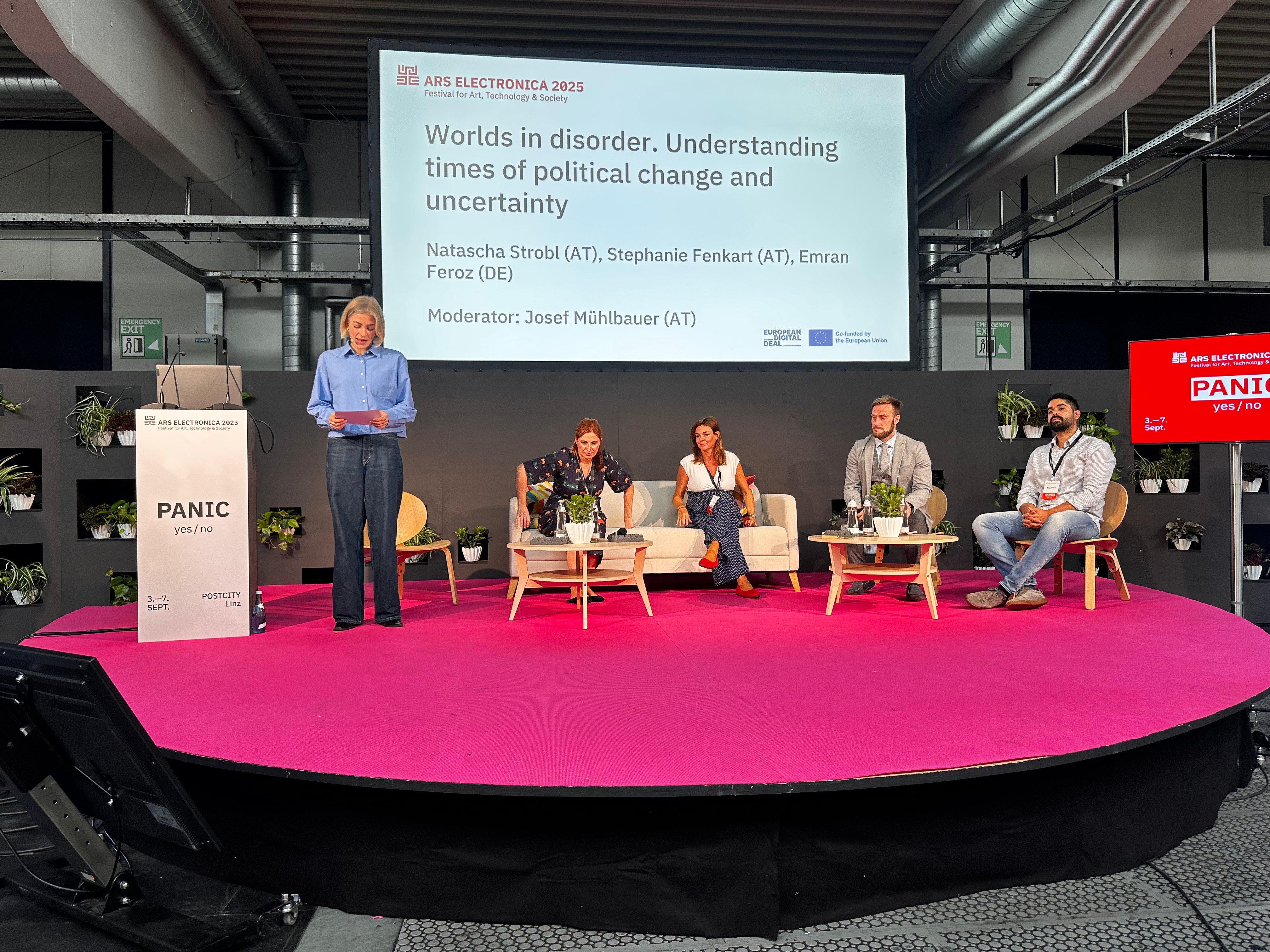



 Josef Mühlbauer