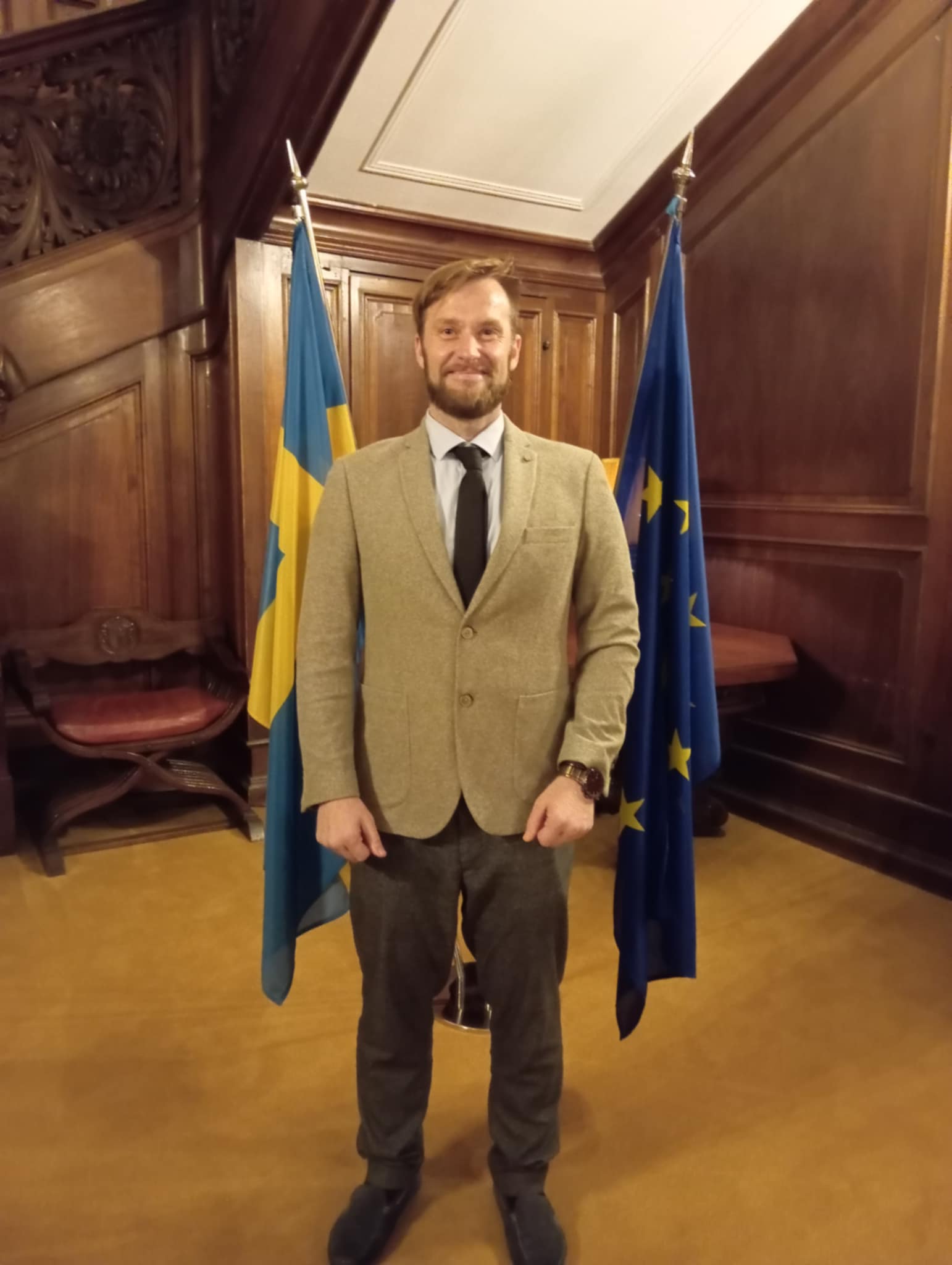
United Nations Security Council Resolution 1325 (UNSCR 1325) – at the Swedish Embassy in Vienna

Pathways to Peace: Legal Accountability and Feminist PeacebuildingPanel discussion on feminist peace and security policy

Glad to had the wonderful opportunity to be invited at the Swedish Embassy in Austria! – Short Report by Peace Researcher Josef Mühlbauer (University of Graz)

My Takewaways from the Panel Discussion on the UNSCR 1325:

The UNSC Resolution 1325 on Women, Peace, and Security isn’t a niche Issue, it’s a strategic imperative and a pathway to peace. Before UNSCR 1325, the work of women in peacebuilding was often informal, overlooked, and underfunded. The resolution, adopted unanimously in 2000, elevated women’s participation from a „nice-to-have“ to a mandatory component of international peace and security efforts. It provided a legal and political basis for advocates to hold governments and the UN itself accountable.

Milestone in Peace Building/ Peace Keeping & Peace Research: On October 31, 2000, the UN Security Council made history. For the first time, it recognized that war impacts women differently—and that women are not just victims, but powerful agents of peace. This was the birth of Resolution 1325 on Women, Peace, and Security (WPS).

Why is the UNSCR 1325 so important?

It is important because sustainable peace is only possible when women are equally included. Studies show that peace agreements are 35% more likely to last at least 15 years when women are involved in their creation. UNSCR 1325 isn’t just about fairness; it’s about effectiveness, it is about resiliant peace!

Key facts & milestones – Four Pillars of Peace

2000: UNSCR 1325 is adopted unanimously.

2009: The US becomes the first country to launch a National Action Plan (NAP) to implement the resolution.

2015: A Global Study on the implementation of UNSCR 1325 is published, highlighting both progress and critical gaps.

Today: Over 100 countries have adopted National Action Plans.

Pillar 1 Participation: It calls for increased representation and meaningful participation of women at all levels of decision-making, including in peace processes, conflict prevention, and post-conflict governance. This means women should be at the negotiating table, not just as observers but as mediators, negotiators, and signatories.

Pillar 2 Protection: It requires parties to conflict to take special measures to protect women and girls from gender-based violence, including rape and other forms of sexual abuse, in situations of armed conflict. This was a critical recognition of rape as a weapon of war.

Pillar 3 Prevention: It calls for integrating a gender perspective into conflict prevention efforts and early warning systems. This means understanding the different ways men and women experience and signal the onset of conflict.

Pillar 4 Relief and Recovery: It mandates the integration of a gender perspective into all humanitarian and post-conflict reconstruction programs. This ensures that the specific needs of women and girls (e.g., access to healthcare, education, and economic opportunities) are addressed in refugee camps, disarmament, demobilization, and reintegration (DDR) programs, and in rebuilding institutions.

Lets honor Sweden’s Pioneering Role 🇸🇪

Sweden has been a global leader in turning the principles of 1325 into action:

In 2014, Sweden became the first country in the world to officially adopt a feminist foreign policy, with the WPS agenda at its core.

The agenda is far from complete. As we face new conflicts and challenges, the principles of 1325 are more critical than ever. Just look at #Sudan#Gaza#Afghanistan ..

Lets honor the Speakers:

(c)Minitta Kandlbauer/VIDC, Swedish Embassy 10.9.2025

H.E. Annika Ben David, Sweden’s Ambassador to Austria and Slovakia as well as Sweden’s Permanent Representative to the United Nations in Vienna

H.E. Manizha Bakhtari, Ambassador and Permanent Representative Ambassador of Afghanistan in Vienna

Julia Prummer, Policy Advisor for the Austrian Foreign Minister, Federal Ministry for European and International Affairs

Jennifer Sarvary Bradford, Crime Prevention and Criminal Justice Officer, United Nations Office on Drugs and Crime

Dima Hussain, Legal Scholar, European University Institute in Florence and Centre for Religious Studies at the Central European University Vienna

Waruguru Gaitho, Gates Cambridge International Scholar of Law, Centre for Gender Studies at the University of Cambridge

Moderation: Miriam Mona Mukalazi, VIDC Global Dialogue

Critical Remarks on the UNSCR 1325:

There is unfortunately a gap between commitment/statements/declarations and the reality on the ground. While the norm is established, implementation is lagging. Women are still grossly underrepresented in formal peace processes. For example, between 1992 and 2019, women constituted only 13% of negotiators, 6% of mediators, and 6% of signatories in major peace processes. In conflicts from Ukraine to Sudan, Yemen, and the DRC, sexual violence continues to be used as a tactic of war, and women’s voices are often sidelined in humanitarian response and peace talks.

Author: Josef Mühlbauer BA BA MA (University Assistent at the University of Graz) is a peace researcher, published several books and peer reviewed academic articles, is a scientific researcher at Empowerment for Peace and the GSIS Institute. He is also the host of the Varna Peace YouTube Channel.
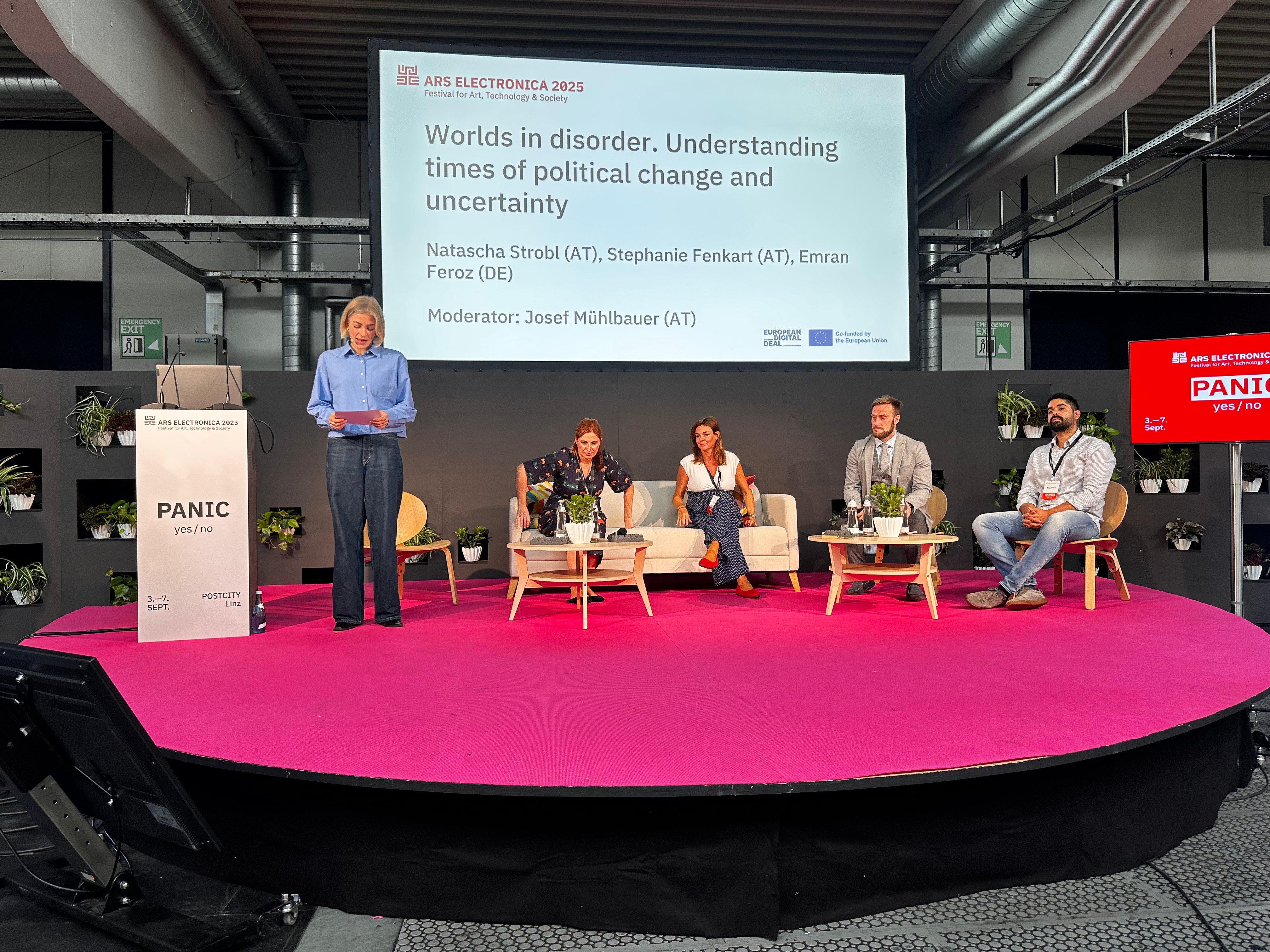
Panel Discussion on Panic & Worlds in Disorder – Peace Research & Peace Studies at The ARS Electronica Festival 2025

ARC Electronica Festical 2025, Panel Discussion on Worlds in Disorder with Peace Researcher Josef Mühlbauer

From a peace research perspective, our panel deconstructed the connections between geopolitics, the current global rise of right-wing extremism, and the legacy of the failed US-led intervention in Afghanistan. You can watch the whole event and the panel discussion on the YouTube Channel of ARS Electronica.

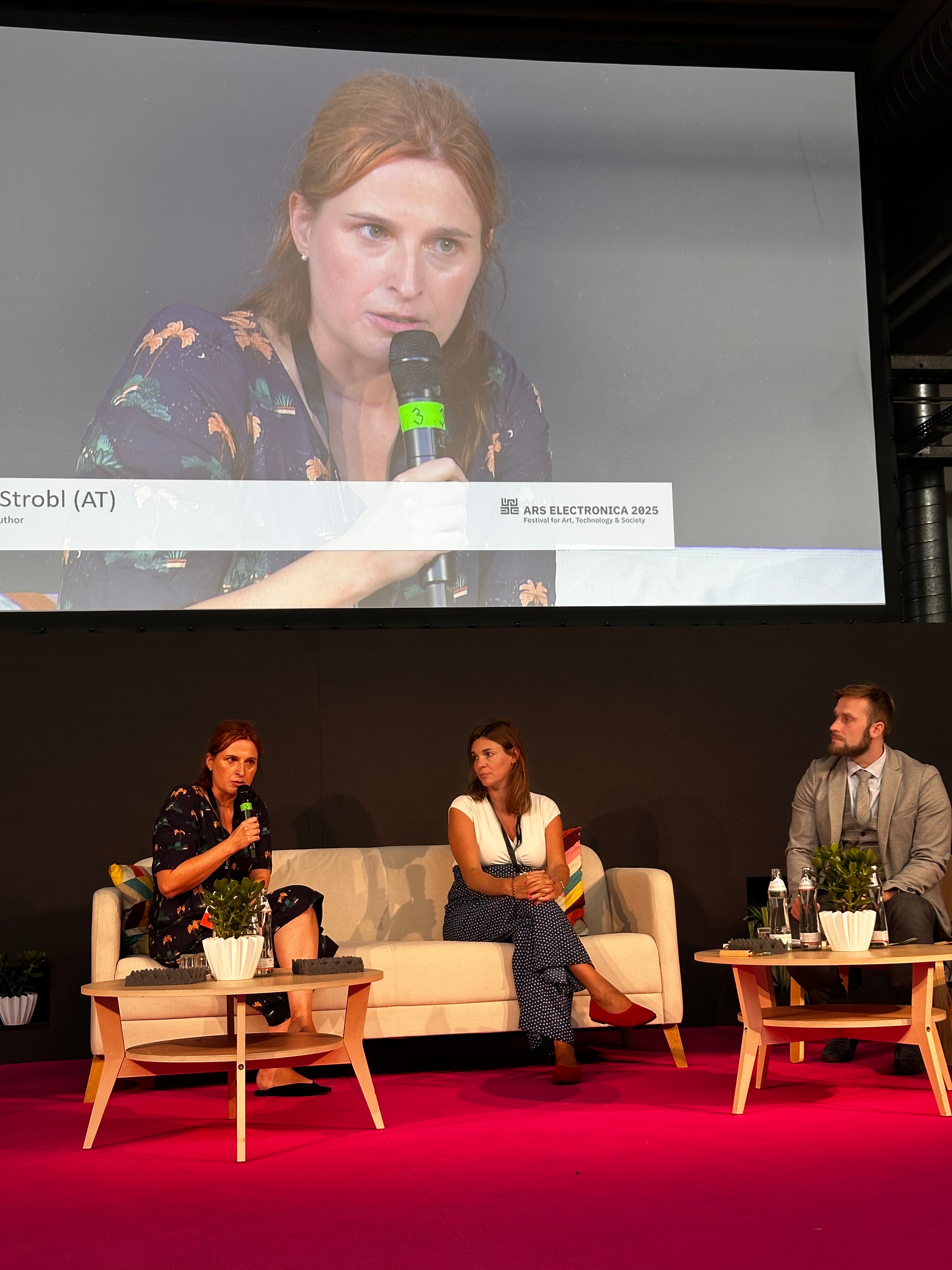
Panel Discussion Worlds in Disorder. With Josef Mühlbauer (Moderator), Stephanie Fenkart, Natascha Strobl & Emran Feroz at the ARS Electronica Festival 2025 in the Postcity Conference Hall in Linz.

We analyzed how the failure of the US-led invasion and intervention in Afghanistan (since 2001) exemplifies the fundamental flaws of liberal interventionism and the limits of imposed peace through military means (the so called „liberal Peacebuilding). This failure has not only created a humanitarian crisis but has also severely damaged the credibility of Western powers (and values), creating a power vacuum and accelerating a shift towards a more multipolar—and yet unstable—world order. Fenkart made the argument that the EU must step up, and realize its strategic autonomy.

The discussion critically examined how this geopolitical disillusionment and the narratives of „endless, futile wars“ are exploited by right-wing populist and extremist movements. These groups weaponize the legacy of intervention to fuel isolationism, xenophobia, and a rejection of multilateral institutions, thereby undermining the very frameworks designed to maintain international peace and security. Strobl pointed out that we wittness a global rise of fascism.

Ultimately, the panel argued that these are not isolated crises but symptoms of a deeper breakdown. We concluded that a sustainable path forward requires a critical peacebuilding approach: moving beyond militarized responses, addressing the root causes of conflict and radicalization (such as inequality and political disenfranchisement), and rebuilding trust through accountable diplomacy and support for inclusive civil societies.

The interaction with the audiance was vivid and showed the lively engagement of the audiance with the panelists.

Here you can find all the participants: https://ars.electronica.art/panic/en/view/worlds-in-disorder-understanding-times-of-political-change-and-uncertainty-23038ddb450c80988a7adb408ec1c7ed/

Visit the YouTube Channel of ARS Electronica: https://www.youtube.com/@arselectronica

Critical Political Economy in a Liquid World and in Times of Monsters

Critical Political Economy Conference, 30 July 2025, Helsinki Finnland.

Report by Josef Mühlbauer, 4.8.2025.

The vibrant and historically resonant city of Helsinki – famously divided between its „red“ workers‘ districts and „white“ bourgeois quarters – provided a fitting backdrop for the opening day of the Critical Political Economy Conference. The atmosphere was charged with critical inquiry, underscored by the symbolic singing of the „Internationale“ at the long bridge. I was honoured to be among the invited speakers, presenting my work alongside insightful contributions from international scholars.

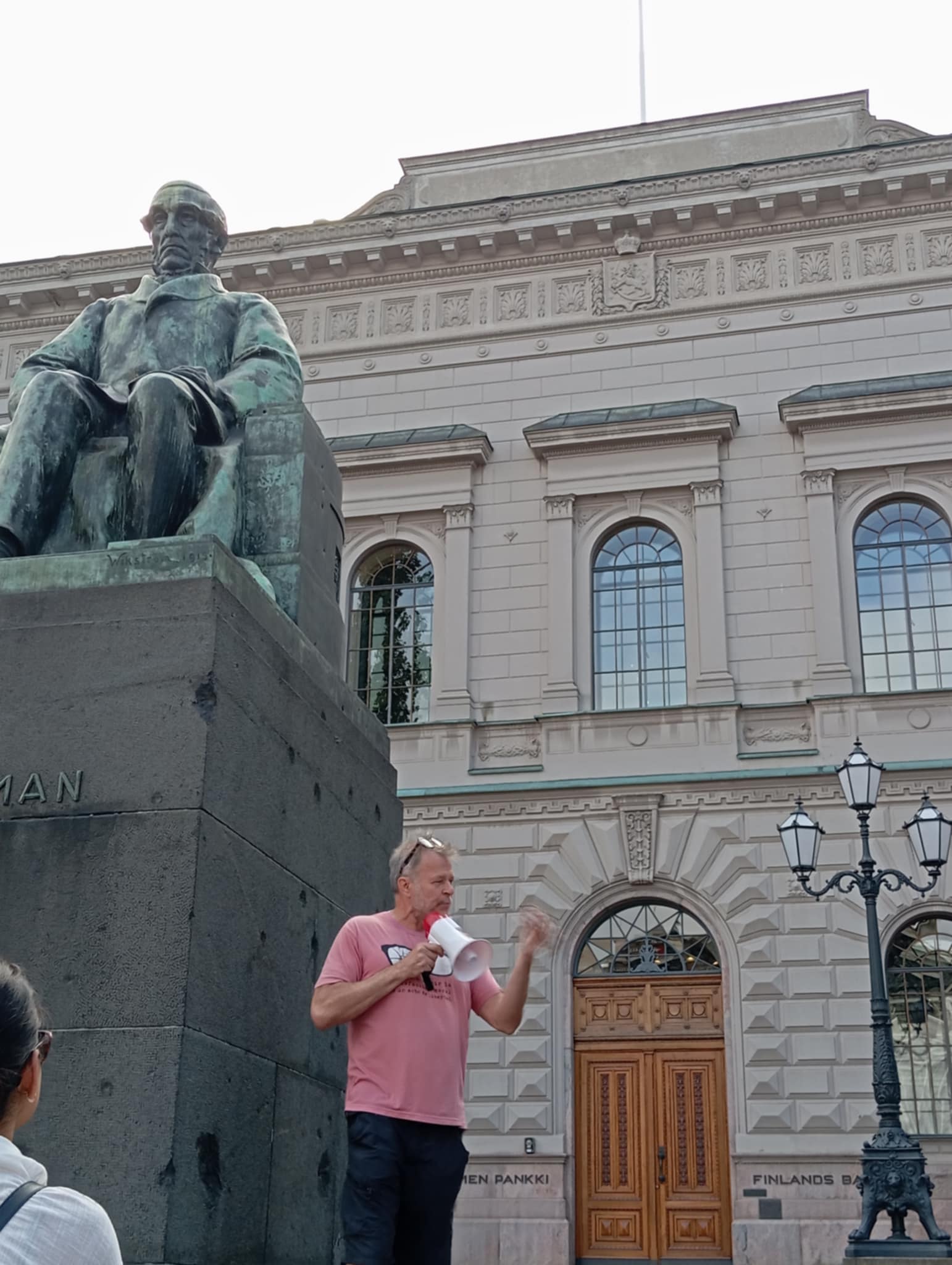
Prof. Teivo Teivainen was not only one of the organizers and hosts of this event, he also took the time and went on a city tour with the participants of the conference and talked about the history and political development of Helsinki.

Prof Teivo took the time and went on a city tour with the participants of the conference and talked about the history and political development of Helsinki.

Workshop: Narrating the Global Water Crisis (Gemma Gasseua & Madelaine Moore):
Gasseua and Moore dissected the narratives emerging from the 2023 UN Water Conference. Their research revealed how the framing of the water crisis shifts dramatically depending on the sector: businesses focus on pricing, environmental movements on climate change, while critical issues like „water grabbing“ and decades of social struggle are systematically silenced or obscured. Gasseua powerfully argued for viewing water through a feminist lens, essential for social reproduction.

Workshop: How to be Anti-AI in the 21st Century (David Bailey):
Prof. Bailey delivered a trenchant critique of Artificial Intelligence under capitalism. He argued AI’s harms stem not from the technology itself, but from its deployment within exploitative systems: intensifying worker precarity, enabling surveillance (e.g., its use in the Gaza war), consolidating oligarchic power, and accelerating ecological damage and racialized extractivism. His core message challenged the „inevitability narrative“ surrounding AI.

Workshop: Shaping the South: 19th Century British Interests in Latin America (Dr. Perla Polanco Leal):
Dr. Polanco Leal explored Britain’s „Informal Empire“ in Latin America. Faced with the high costs of formal colonization, Britain instead used diplomacy, investment, and infrastructure (railways, ports, telegraphs) to establish systematic value extraction. This involved detailed geological surveys and entrenched exploitative labor practices, creating enduring extractive economic models and reinforcing racialized hierarchies in production and trade.

Impressions:

Johannes Jäger FH Wien presented his latest project. (c): Josef Mühlbauer, Helsinki, 30.7 – 1.8.2025

My Presentation: Navigating the Interregnum – Polycrisis and Liquid Modernity

    My contribution, „Interregnum, Polycrisis, and the Concept of Liquid Modernity: Navigating the Current Conjuncture,“ sought to provide theoretical frameworks for understanding our profoundly unstable times.

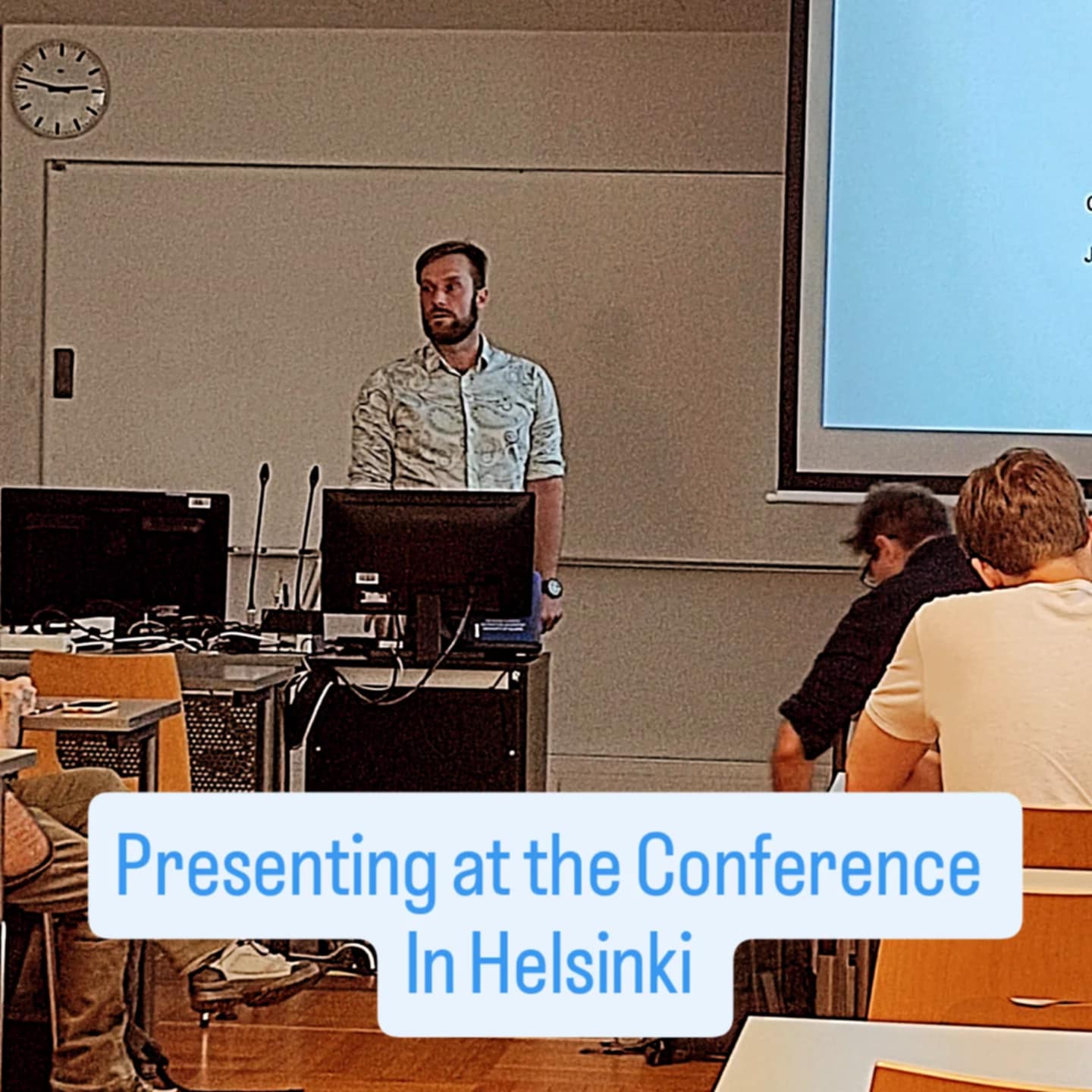
    Josef Mühlbauer presenting at the Conference in Helsinki, Finnland. (c): Josef Mühlbauer 1.8.2025.
    Josef Mühlbauer presenting at the Conference in Helsinki, Finnland. (c): Josef Mühlbauer 1.8.2025.

    Interregnum: Drawing on Gramsci, I framed our era as an „interregnum“ – a period where the old structures and certainties (political, economic, social) are dying, but the new ones have not yet been born. This manifests as a pervasive sense of dislocation, institutional crisis, and a struggle over what comes next. Helsinki’s own historical divisions felt emblematic of this global condition.

    Polycrisis: I argued we are not facing isolated crises (ecological, economic, political, social), but a polycrisis – a dense web of interconnected, mutually reinforcing crises. The water crisis discussed by Gasseua & Moore, the exploitative logic of AI critiqued by Bailey, and the legacies of extractivism analyzed by Polanco Leal are not separate issues; they are facets of this singular, complex polycrisis rooted in global capitalism’s contradictions.

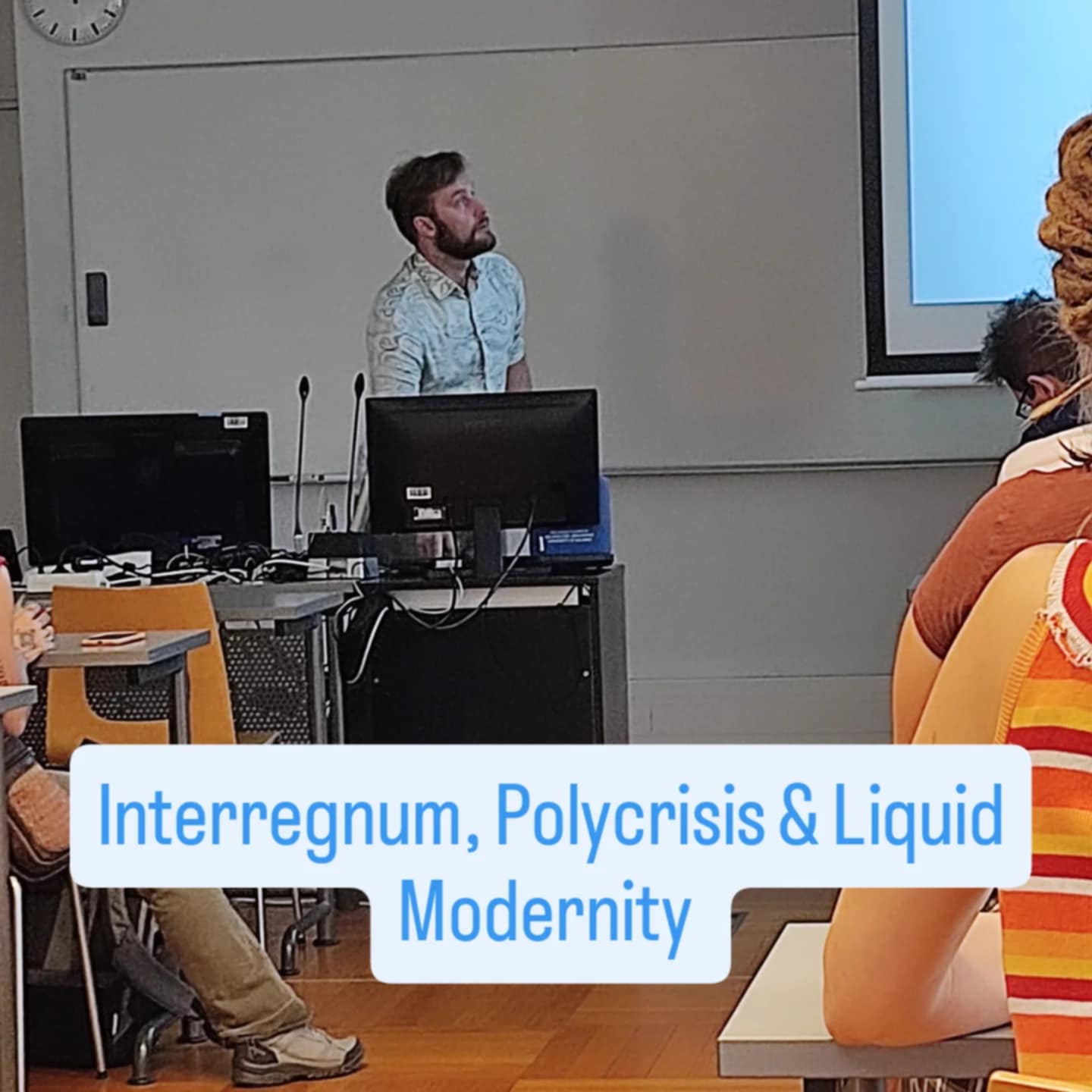
    Josef Mühlbauer presenting at the Conference in Helsinki, Finnland. (c): Josef Mühlbauer 1.8.2025.
    Josef Mühlbauer presenting at the Conference in Helsinki, Finnland. (c): Josef Mühlbauer 1.8.2025.

    Liquid Modernity (Bauman): Finally, I employed Zygmunt Bauman’s concept of „liquid modernity“ to understand the experience of this interregnum and polycrisis. Our social bonds, institutions, and even identities feel fluid, unstable, and perpetually in flux. Solid structures melt away, replaced by uncertainty and a constant demand for adaptation. This liquidity makes collective action challenging yet simultaneously underscores its desperate necessity.

    Understanding these three concepts together is crucial for developing critical political economy strategies capable of navigating this turbulent period and forging pathways beyond the crisis of the present.

    All the participants and workshops of the Conference „Critical political economy and the time of monsters: understanding the present, imagining the future“ one can find here: https://criticalpoliticaleconomy.net/2025/06/30/critical-political-economy-and-the-time-of-monsters-understanding-the-present-imagining-the-future/